


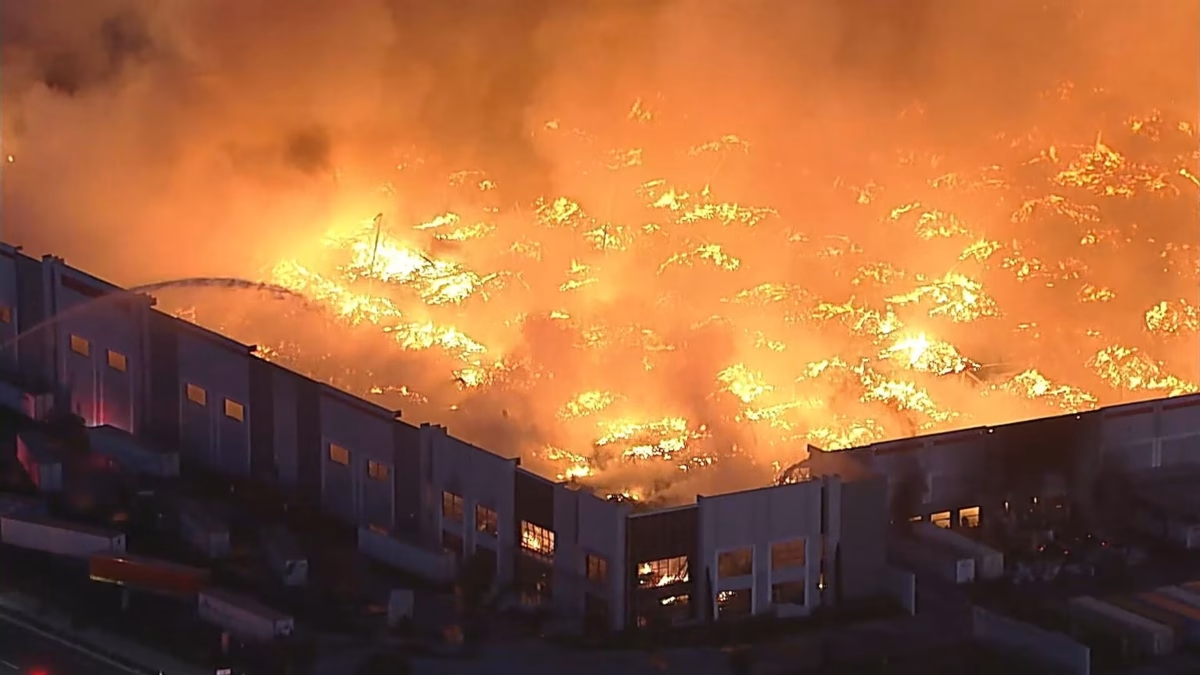














On Feb. 29, 2026, the United States and Israel launched an attack on Iran, with missiles striking the city of Tehran, including a girl’s elementary school, which killed at least 40 people, as well as military and defensive sites. The Iranian supreme leader, Ayatollah Ali Khamenei, was also killed in these attacks.
President Trump said that the objective of these joint attacks was to “defend the American people by eliminating imminent threats from the Iranian regime.” Although there are some underlying reasons, the US and Israel have been close allies, and both have claimed that Iran is seeking to develop a nuclear bomb, which Iran denies. The three countries were negotiating on this until Feb. 27, when Trump said he was unhappy with how things were going and attacked the next day.
While the bombs are striking in Iran, America isn’t fully unaffected by these attacks. While day-to-day life might not change much, there seem to be some economic effects. The price of several different commodities are expected to rise with the Iranian war. Gas, food, and air travel are all expected to have their prices rise as the war continues.
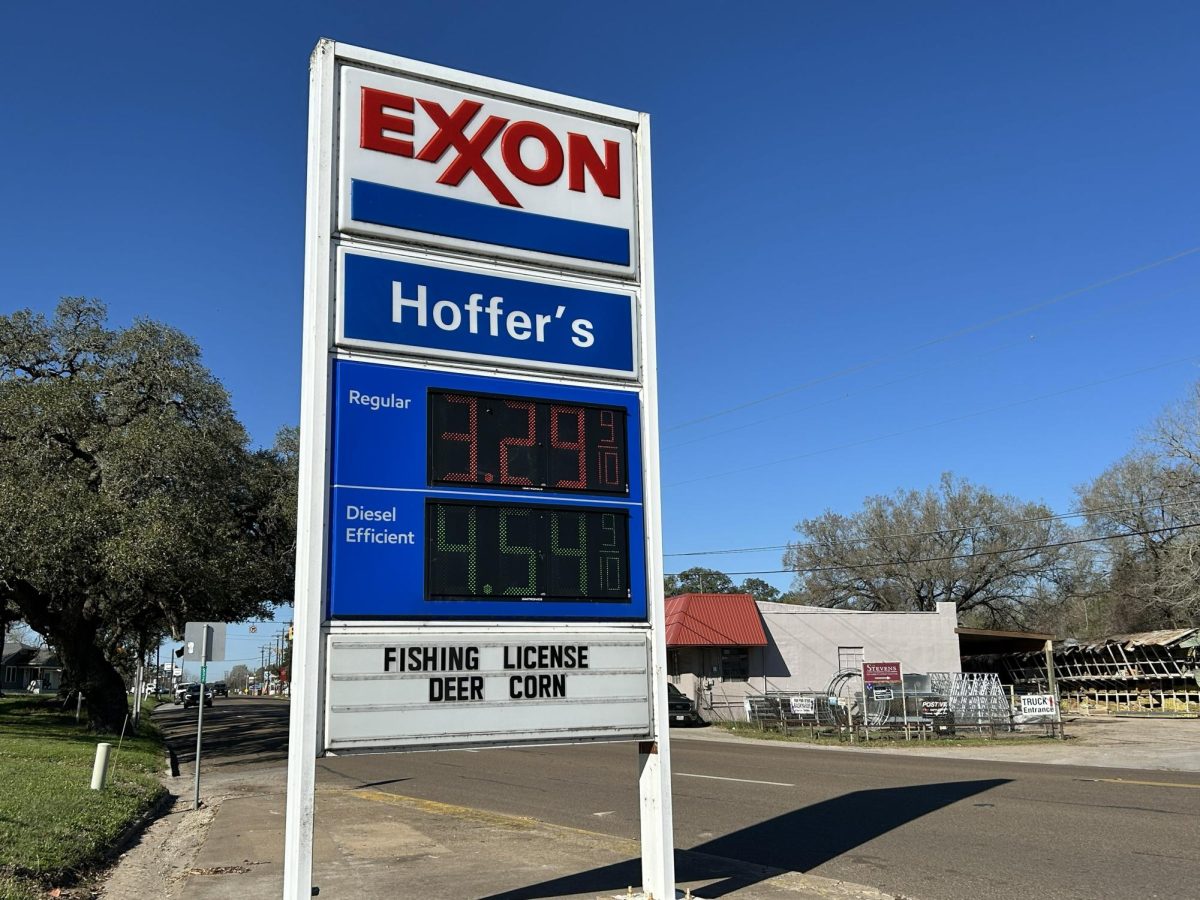
The price rise in gasoline can be attributed to the blockade in the Strait of Hormuz caused by Iran’s supreme leader, who is using this as a tool to pressure the enemy. This blockade has stopped the shipping of oil since the war began, leading to a rise in gas prices. “This war will most definitely affect gas prices in the coming days as it continues to happen,” said a Hoffer’s employee.
This rise is going to affect many people who use driving as a means of transportation. Rising gas prices will make it more difficult for people to afford gas.
“Gas is rising, and my bank account is down, and I still never have enough gas for my car,” said sophomore Myah Mahon.
Gas is only part of the problem, though. Along with the oil being blocked off, fertilizer is also blocked, causing a big concern for many people in the food industry. A lack of fertilizer at the start of growing seasons, as well as the high cost of gasoline to transport food across the country, is expected to cause grocery prices to rise.
Because of the Iran War, prices are going up in America, affecting commodities such as gas and groceries. This is a problem for many people, as this will affect their budgets, spending, and lives. Many people are feeling the weight of this rise in prices, which is caused by the Strait of Hormuz being blocked off.
In conclusion, the joint attack by the United States and Israel on Iran has created consequences that extend far beyond the battlefield. Rising gas prices, increasing food costs, and higher travel expenses show how international conflicts impact the global economy and ordinary people. As the situation continues to develop, the long-term political and economic consequences of the conflict between the United States, Israel, and Iran remain uncertain.