


















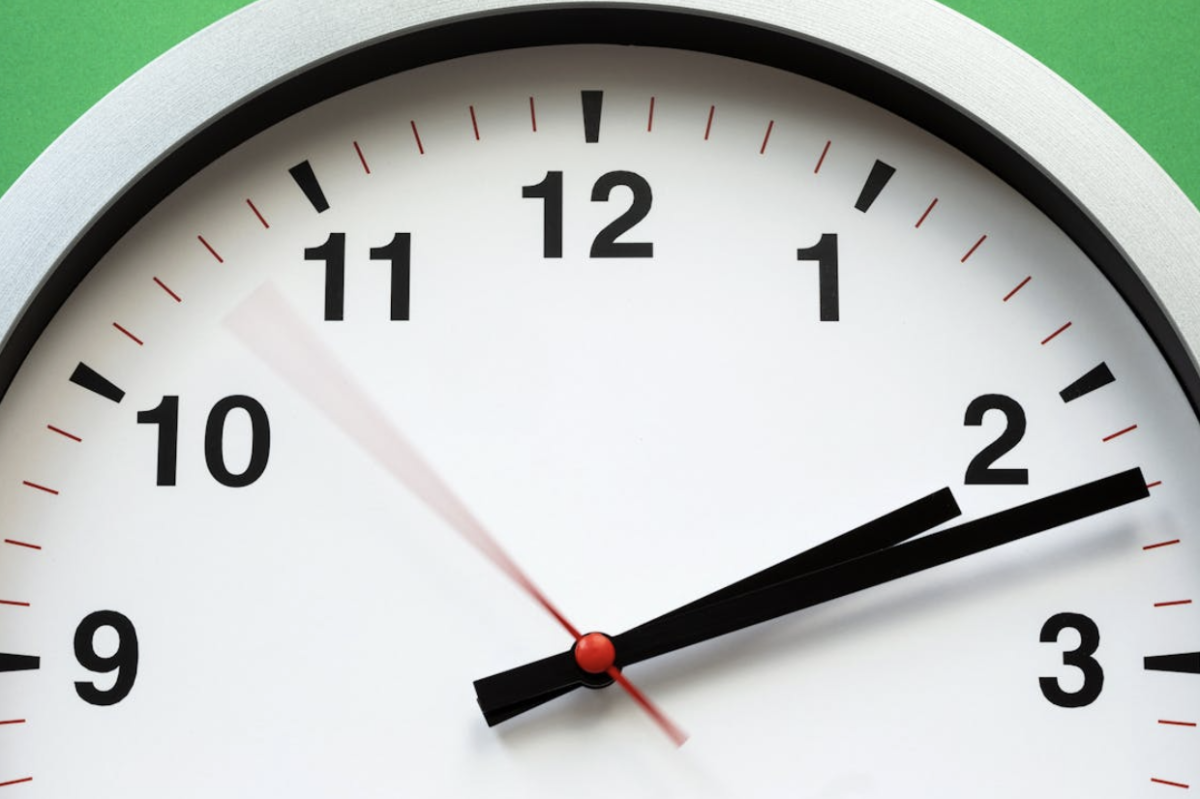
All around the country, clocks are shifting, schedules are changing, and people are getting an extra hour of sleep. The end of daylight saving is here once again, and people have complaints.
Daylight saving time is the time between roughly early March to early November. During this time, the clock “falls back” an hour, resulting in less daylight in the morning hours and more daylight in the evening hours. Roughly 34% of the world’s countries observe daylight saving time, with many of these countries in North America and Europe. Despite the shift in hours caused by daylight saving time, standard time only lasts for roughly one-third of the year.
Daylight saving time was first created to try and maximize the hours of daylight in the changing seasons. With the long days in summer and the short days in winter, it seems a good idea to change the clock to coincide with this.
However, many people don’t agree that this shift is a good idea. People all around the country complain about daylight saving time. Many people claim that daylight saving time doesn’t change anything or solve any problems, instead only messing up schedules and causing health issues.
Daylight saving time often throws off people’s schedules. The practice of shifting around the hours on the clock makes it difficult to stay on the body’s internal schedule. This can cause disturbance in jobs, school, and everyday life.
Daylight saving time causes many disturbances in people’s mental health. Many people also report feeling more tired, depressed, and less focused after the shift to daylight saving time. Daylight savings time can be disorienting and mood-changing with the shift in hours of daylight people are experiencing.
Mental health isn’t the only concern during a time shift. Studies have shown that daylight saving time is the cause of many injuries and illnesses. Scientists have found that there is a 24% increase in the risk of having a heart attack the day after the shift to daylight saving time. Studies have also shown evidence of increased strokes, car collisions, physical injuries, and miscarriages.
This increase in injuries and illness is attributed to the circadian rhythm. When the hours on the clock change and people are forced into different schedules in their lives, their bodies often struggle with the change.
The natural cycle that lets your body know when to do certain functions, like sleep and eat, runs on sunlight. When the hours of sunlight you are exposed to change, the body struggles to adjust. Dark mornings can lead to a decrease in mood-boosting hormones, and lighter evenings lead to less melatonin production, which is necessary to get a good night’s sleep.
This failure to quickly adjust to the changing hours causes less sleep and a worse mood, contributing to mental and physical health complications alike. Daylight saving time is a dangerous part of everyday life that people often don’t think about. The shifting of the clocks makes for an unnecessary risk to human health and should be reconsidered to save lives.